For thousands of years, rolling dice has served as one of humanity's most enduring forms of gaming and entertainment. Long before modern casinos featured polished felt tables and strict regulatory oversight, primitive dice games flourished in dusty streets and informal gathering places. Tracing the path from ancient knucklebone rolls to regulated casino games reveals a fascinating journey of social transformation and mathematical refinement.
Ancient Roots in Informal Street Gaming
Archaeological evidence suggests that early civilizations played rudimentary dice games using animal bones and carved stones. Soldiers in ancient Rome and merchants along historic trade routes often gathered in public spaces to wager on unpredictable outcomes. These early street games relied on informal rules that were adapted based on local traditions and mutual agreements among players.
As these traditions spread across borders, regional variations began to emerge with unique scoring systems. Without centralized rules, disputes were common, driving a gradual desire for more structured gameplay. These informal gatherings laid the foundational mechanics that eventually inspired modern casino classics.
The Transition to European Hazard and Early Parlors
During the Middle Ages, informal dice playing evolved into structured games like Hazard, which gained widespread popularity in English taverns. Hazard introduced complex betting options and established specific winning combinations that required tactical decision-making. The game quickly shifted from casual street corners into aristocratic parlors and formal gaming houses across Europe.
This era marked a significant turning point where probability calculations began to shape game design. Players who analyzed strategic odds gained a clearer perspective on risk management. Many modern gaming enthusiasts researching historical wagering practices on platforms like man888 appreciate how Hazard bridges ancient street play with modern table games.
Refining Rules into Modern Craps
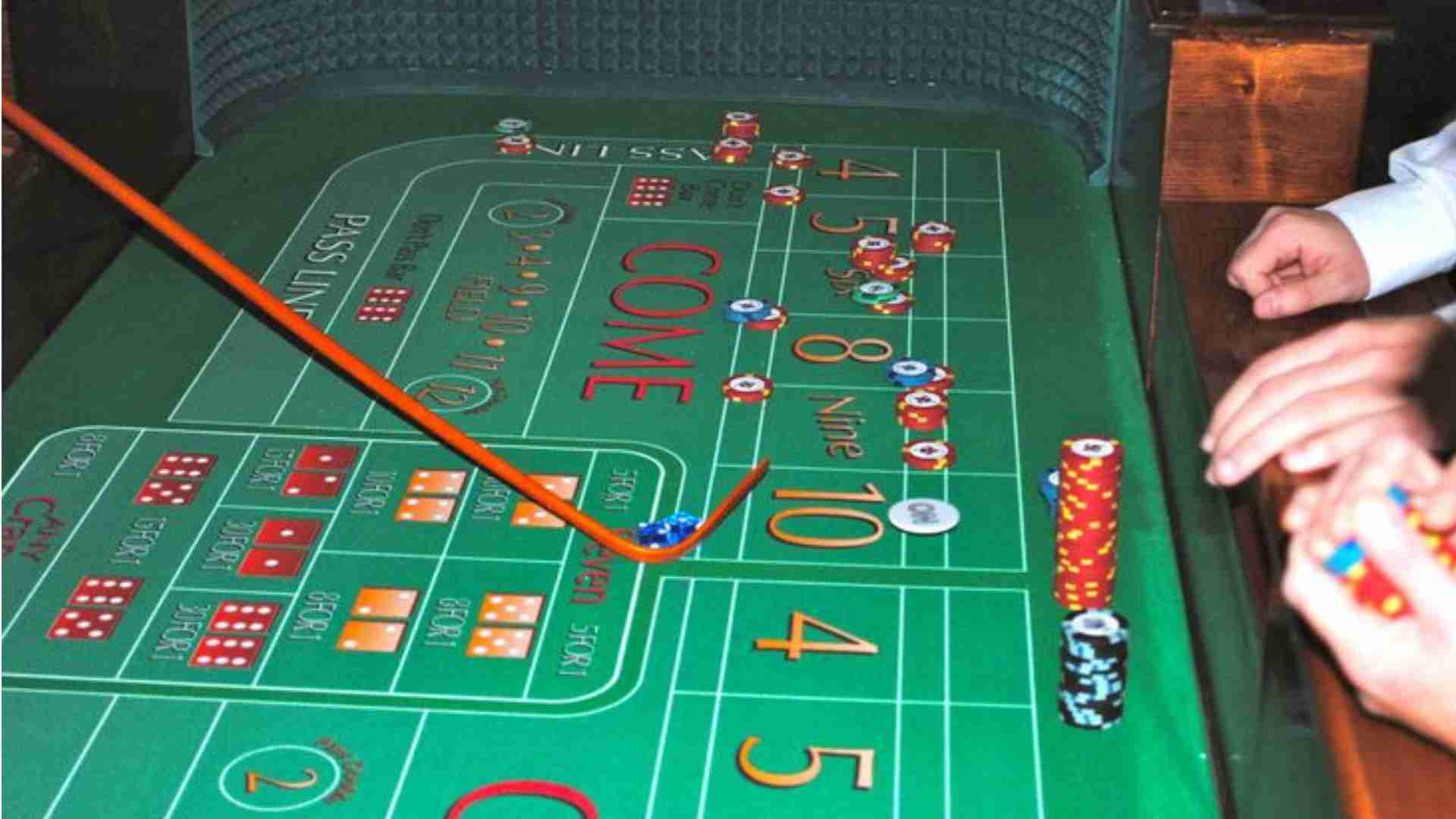
In the early nineteenth century, Hazard was simplified in New Orleans, giving birth to the game of Craps. Gaming innovators recognized that streamlined rules made the game faster, more accessible, and easier for houses to manage. The introduction of the "Don't Pass" line effectively balanced the house edge and eliminated widespread cheating methods.
This adaptation transformed a chaotic street game into a centerpiece of modern casino floors. Craps retained the communal energy of street play while providing standardized payouts and transparent rules. Today, it remains one of the most dynamic and socially engaging table games in the world.
Standardization and the Digital Future of Dice Play
The establishment of modern regulatory bodies ensured that physical dice were precision-engineered for absolute fairness. Casinos implement strict standards regarding weight, balance, and corner sharping to prevent manipulation. These physical safeguards guarantee that every roll produces a genuinely random outcome.
Today, digital platforms have carried casino dice games into the virtual realm through random number generators and live dealer streams. Players can now experience the thrill of historical street games refined through centuries of innovation from anywhere in the world. The ongoing evolution of dice gaming proves that simple mechanics, when paired with fair rules, retain timeless appeal across generations.